RIP the Garage Band: How AI Turned Everyone into a Songwriter
Remember 2024? That was the year many of us accidentally became digital artists.
People who had never touched Photoshop were generating cinematic images in seconds. A few clever words typed into Midjourney or DALL·E could produce artwork that once took hours of skill and practice. It felt unreal at the time.
But that phase was only the warm-up.
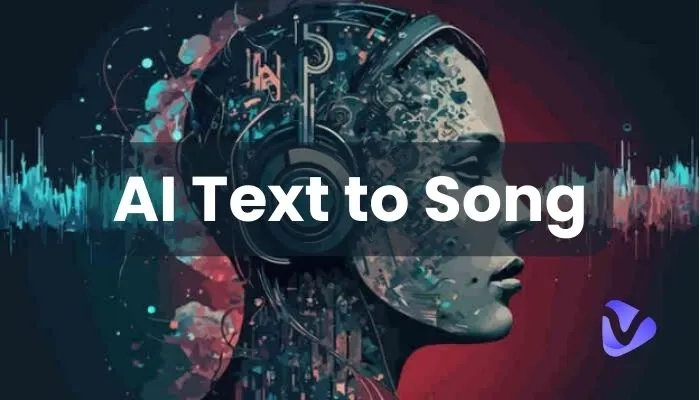
By 2026, the real disruption arrived—not on our screens, but in our headphones. AI didn’t just learn how to draw. It learned how to write, perform, and produce music. And once that happened, the idea of who gets to be a “musician” quietly changed forever.
Music was always harder than images.
Early AI music experiments sounded awkward and lifeless. The rhythm might be correct, but the emotion was missing. Vocals felt synthetic. Songs lacked structure. They sounded like background noise, not something you’d actually choose to listen to.
That’s because music isn’t just math. It’s timing, tension, release, and feeling. Humans don’t connect to perfect notes—they connect to imperfect emotion.
What changed with tools like Suno V4 and Udio is that these systems stopped trying to compose music like software and started learning it like listeners. They were trained on structure, progression, vocal phrasing, and genre-specific emotion. The result wasn’t just better sound quality—it was believability.
The workflow today is almost absurdly simple.
You open an app and describe what you want. Not in technical terms. In human terms.
Something like:
A slow acoustic country song about an old dog waiting on a porch for an owner who never comes back. Rough male vocals. Minimal instruments. Emotional but restrained.
Within seconds, you get a complete song. Verses. Chorus. A melody that sticks. Vocals that sound tired in exactly the right way. It doesn’t feel like a demo. It feels finished.
Two years ago, that same prompt would have produced an image or maybe a rough instrumental loop. Today, it produces something you could upload to Spotify without embarrassment.
That jump in quality is what made everything else inevitable.
This is the part people underestimate.
AI music tools didn’t just make production easier. They removed the waiting period that stopped most people from ever making music in the first place.
Before this, having a song idea wasn’t enough. You needed time to learn an instrument. Money for software. Access to a studio. Or a friend who knew how to produce.
Now, none of that is required.
Just like Instagram turned everyone into a photographer without teaching them about lenses or exposure, AI has turned everyone into a songwriter without asking them to learn chords or scales.
The only real requirement now is having something to say—and the ability to describe how it should feel.
This isn’t just a novelty. People are already building workflows around it.
Content creators are generating custom background tracks for YouTube videos instead of paying for stock music. Indie game developers are creating full soundtracks without hiring composers. TikTok creators are turning jokes, trends, and comments into short, catchy songs designed to go viral.
Some creators are even using AI music as a sketchpad. They generate rough songs, find melodies they like, and then recreate them with real instruments. Others are going fully AI-native—releasing music under fictional band names and testing which styles perform best before committing to a genre.
Music creation has become fast, disposable, and experimental. And that’s exactly why it’s spreading.
The economics are just as disruptive as the technology.
Most of these platforms run on subscription models that cost less than a single hour in a traditional recording studio. For a monthly fee, users can generate dozens—sometimes hundreds—of songs.
That changes who gets to experiment.
Instead of betting thousands of dollars on one track, creators can test ideas daily. They can see what resonates on social platforms and double down on what works. Music becomes iterative, not precious.
For platforms, this creates a new kind of creator economy—one where speed matters more than perfection, and storytelling matters more than technical skill.
The classic garage band needed space, instruments, and time. It needed coordination. It needed patience.
Today’s version lives in the cloud.
Friends are collaborating by sharing prompts. Ideas move from joke to song in minutes. Music is no longer something you train for years to make—it’s something you casually create, share, and move on from.
Not everyone will become a great songwriter. But for the first time, almost everyone gets to try.
And once creativity stops being gated by skill and cost, culture changes fast.
The garage band isn’t gone.
It just traded amplifiers for algorithms—and picked up a lot more members along the way.
See you in our next article!
If this article helped you to know how AI can make you a songwriter in mins , have a look at our recent stories on Vibe Coding, How to spot Deepfake, The Bedroom Director, GPT Store, Apple AI, and Lovable 2.0. Share this with a friend who’s curious about where AI and the tech industry are heading next.
Until next brew ☕